
How to Choose a Caribbean Wedding Venue With a True Sense of Place
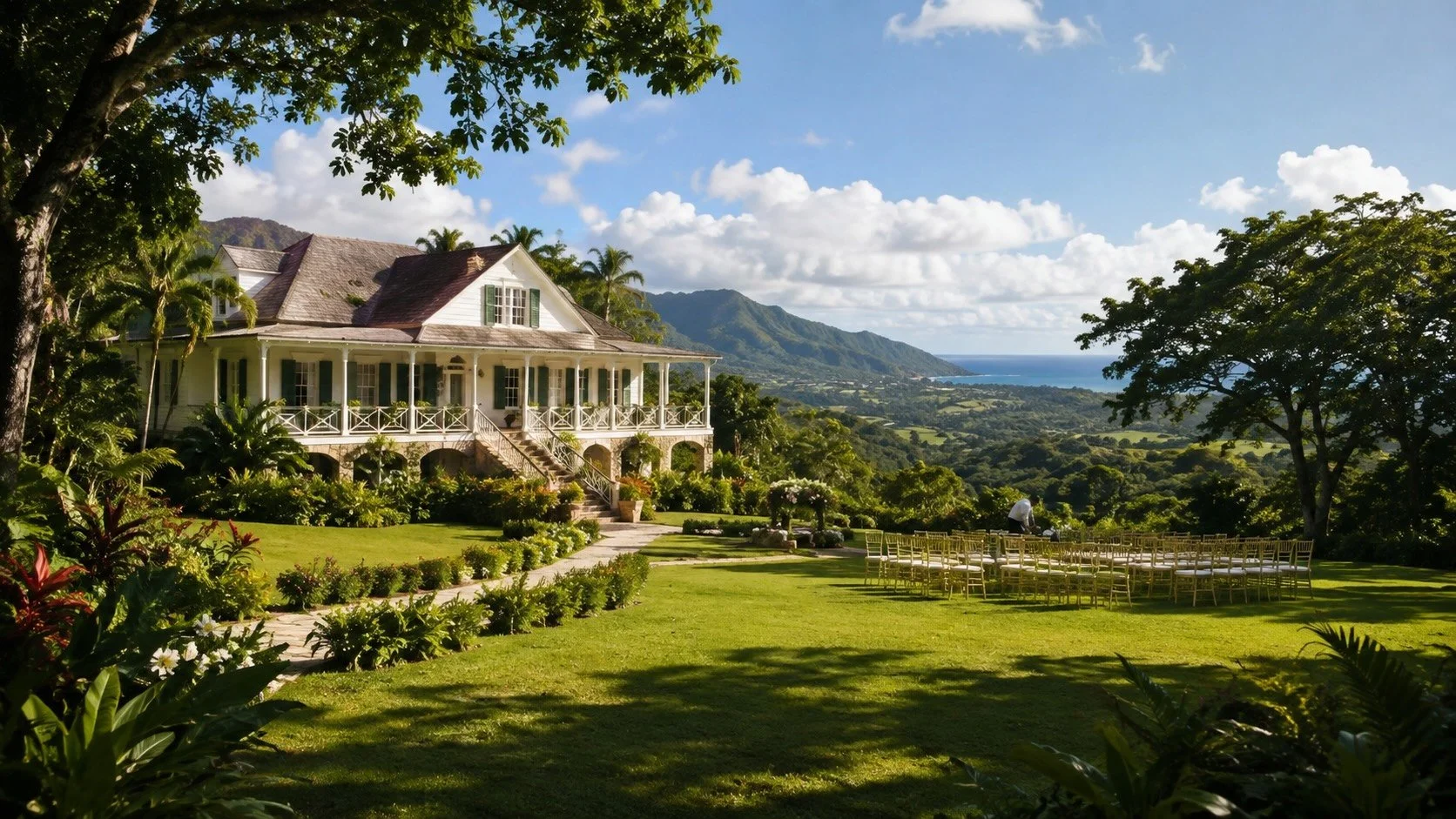
There are Caribbean wedding venues that are beautiful because they have been designed to host beautiful weddings. And then there are places whose beauty existed long before anyone arrived with a seating plan.
A shaded veranda overlooking the sea. A garden that has taken decades to mature. Stone walls softened by time. A path guests follow from the ceremony toward cocktails without anyone needing to tell them where to look next.
These are the qualities that give a wedding a sense of place.
When choosing a Caribbean wedding venue, it can be tempting to begin with the familiar criteria: capacity, availability, accommodation, ceremony options and, of course, whether the photographs are beautiful. Those questions matter. But they tell you primarily whether a venue can accommodate your wedding.
There is another question worth asking:
What will this place contribute to it?
The right venue does more than provide somewhere for the celebration to happen. Its architecture, landscape, history and relationship with its surroundings become part of how the wedding is experienced—and eventually, how it is remembered.
Here is how to recognise one.
Start With What Is Already There
Before imagining flowers, lighting, linens or furniture, look at the venue as though none of those things will arrive.
What remains?
Perhaps it is an old stone courtyard framed by tropical planting. Perhaps a broad lawn leads toward the sea. Perhaps there is a veranda where guests can gather in the shade, or a great house whose proportions immediately give the celebration a sense of occasion.
A venue with a strong identity should already offer something worth responding to.
This does not mean every wedding must take place at a historic estate, nor that a venue needs elaborate architecture to be distinctive. A simple coastal property can be deeply memorable when its materials, landscape and design feel genuinely connected to where it stands.
What matters is that the setting does not depend entirely upon decoration to become memorable.
When evaluating photographs of a prospective venue, mentally remove the wedding.
Ignore the floral arch. Remove the tables. Forget the candles, draping and carefully placed lounge furniture.
Would you still want to be there?
If the answer is yes, you have probably found something worth investigating further.
Look for a Place That Belongs to Its Island
The Caribbean is not one visual language.
A wedding in Jamaica need not feel like one in Grand Cayman. A Bahamian property does not need to borrow the vocabulary of Barbados. Across the Caribbean, islands and territories have distinct relationships with landscape, architecture, climate, materials and history.
That distinction is part of what makes choosing a Caribbean destination meaningful.
Look for the details that tell you where you are.
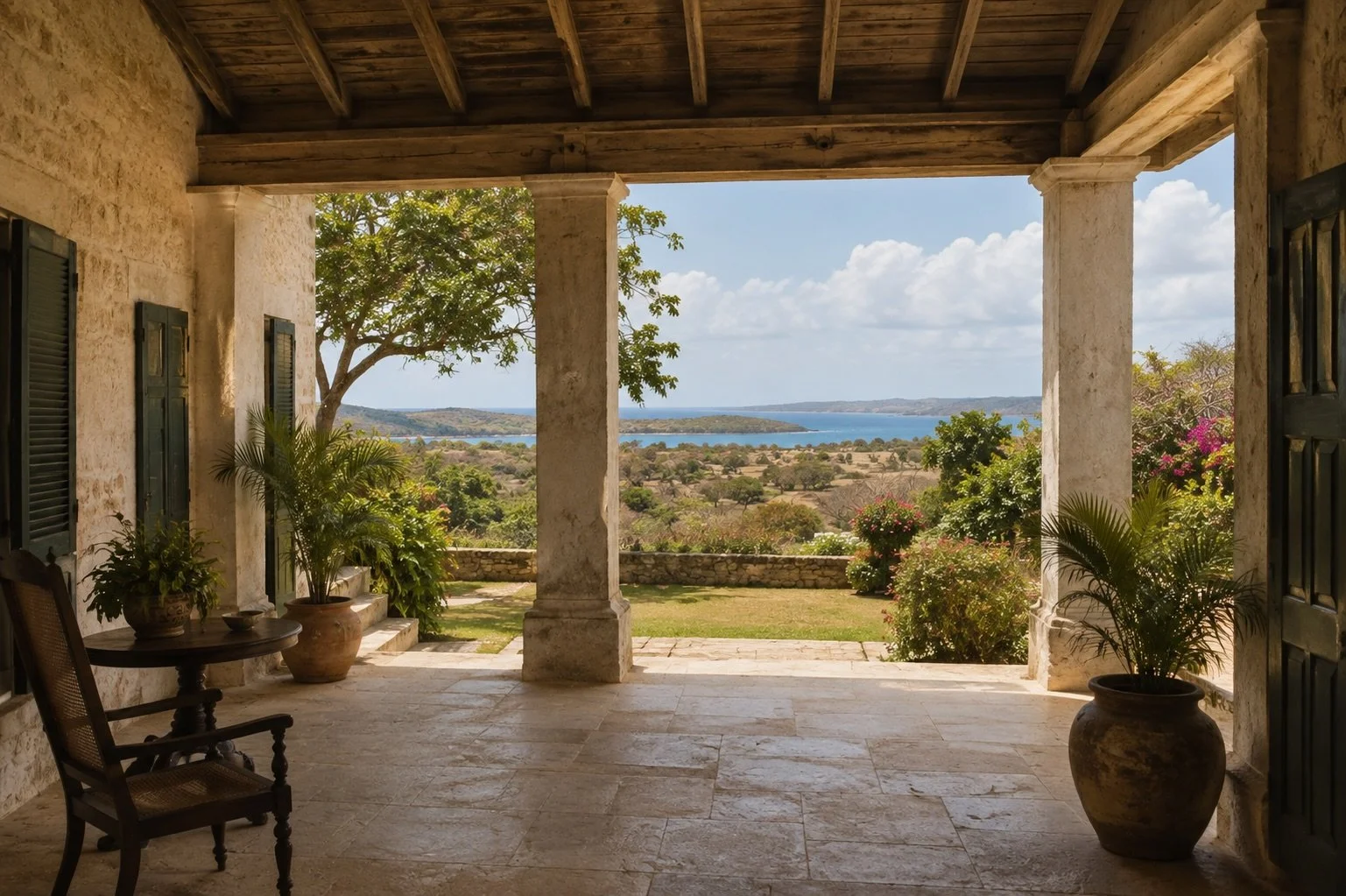
It may be the relationship between a house and the sea, the way shutters filter afternoon light, local stone underfoot, a garden shaped by the climate or architectural details that have evolved in response to tropical life.
Sometimes the clues are quieter. The view from a terrace. The vegetation surrounding a pathway. The transition between indoors and outdoors. The way a building creates shade and captures a breeze.
None needs to announce Caribbean loudly.
In fact, the most convincing places rarely do.
Their identity comes from belonging naturally to their surroundings rather than assembling a collection of tropical motifs.
That matters because destination weddings offer something a ballroom thousands of miles away cannot: the opportunity for the destination itself to become part of the celebration.
Choose a venue that allows it to.
Consider How the Wedding Will Move Through the Property
A venue can photograph beautifully and still be surprisingly awkward to experience.
Imagine the wedding as a sequence rather than a single scene.
Where do guests arrive?
What do they encounter first?
Where does the ceremony take place?
What happens immediately afterward?
How do guests move toward cocktails, dinner and eventually dancing?
The strongest venues often provide natural answers.
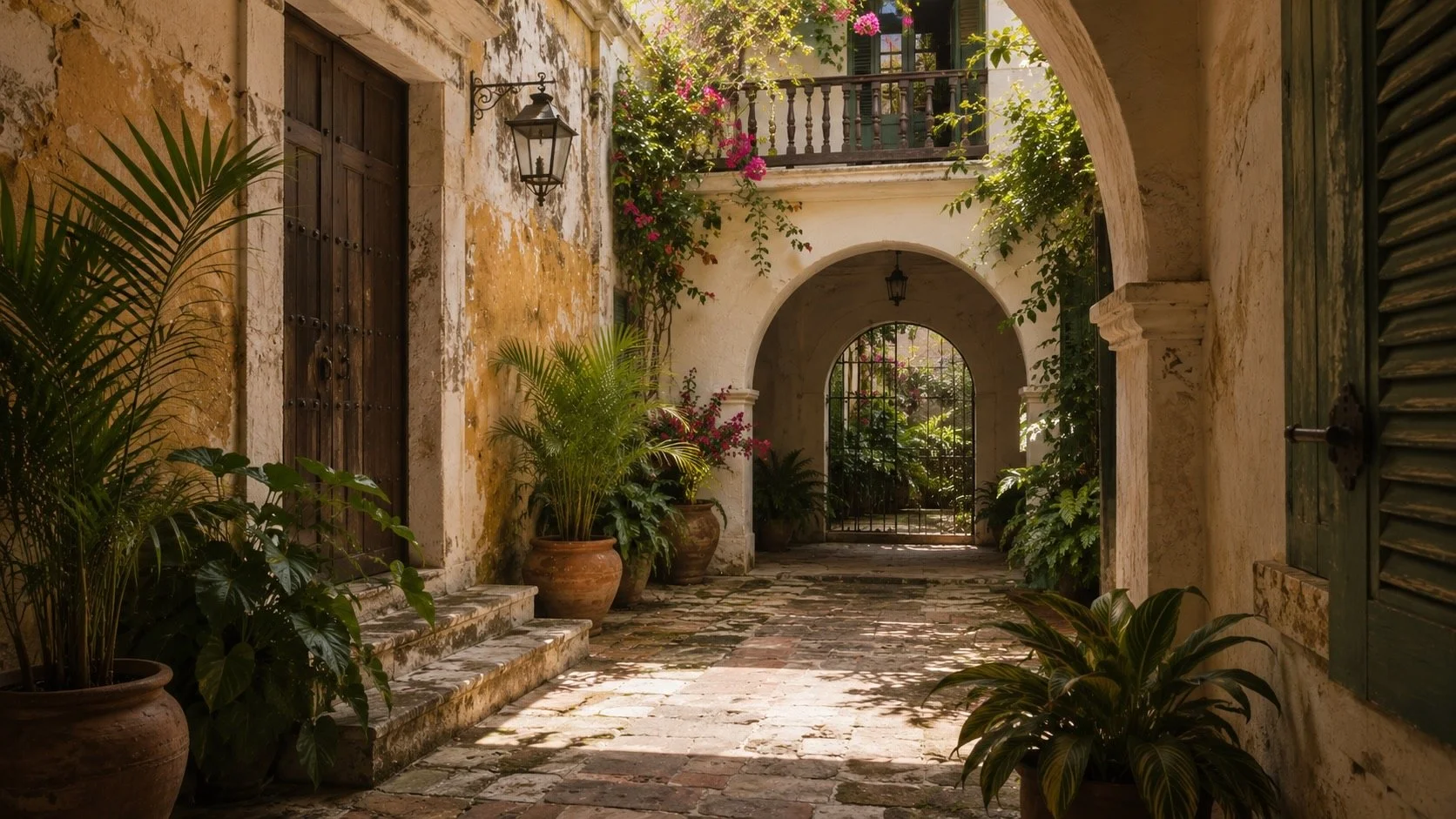
A ceremony might take place beneath mature trees before guests follow a garden path toward cocktails on a veranda. Dinner may unfold on a terrace as daylight begins to soften, with dancing moving indoors later in the evening.
Each part feels distinct, yet the entire celebration remains connected.
This kind of progression does more than solve logistics. It creates discovery.
Guests experience the property gradually rather than seeing everything at once. A view is revealed. Another garden appears. The atmosphere changes as evening arrives.
When touring a venue—or studying it remotely—try to imagine yourself walking through the entire wedding from arrival to departure.
Beautiful individual spaces matter.
But the relationships between those spaces may matter just as much.
Pay Attention to Scale and Proportion
One of the easiest things to overlook when choosing a venue online is scale.
A sweeping lawn may photograph beautifully but feel exposed with a small guest count. An intimate courtyard may be magical for sixty guests and uncomfortable for one hundred and fifty. A grand terrace can create extraordinary drama, but only if the celebration has enough presence to inhabit it.
The goal is not necessarily to find the largest or most impressive venue.
It is to find one that feels right at the scale of your wedding.
Look beyond stated capacity whenever possible.
Ask to see photographs of weddings with guest counts similar to yours. Notice how tables occupy the space. Look at the distance between ceremony seating and the couple. Consider whether guests appear gathered together or scattered across an area that was simply large enough to hold them.
Architecture matters here too.
Columns, courtyards, verandas, stairways, terraces and garden walls can create a sense of enclosure even within a substantial property. They give the eye somewhere to rest and help a celebration feel grounded.
The right scale can make one hundred guests feel intimate.
The wrong scale can make fifty feel lost.
Let the Landscape Do Some of the Work
Established landscapes possess a quality that event design cannot convincingly manufacture.
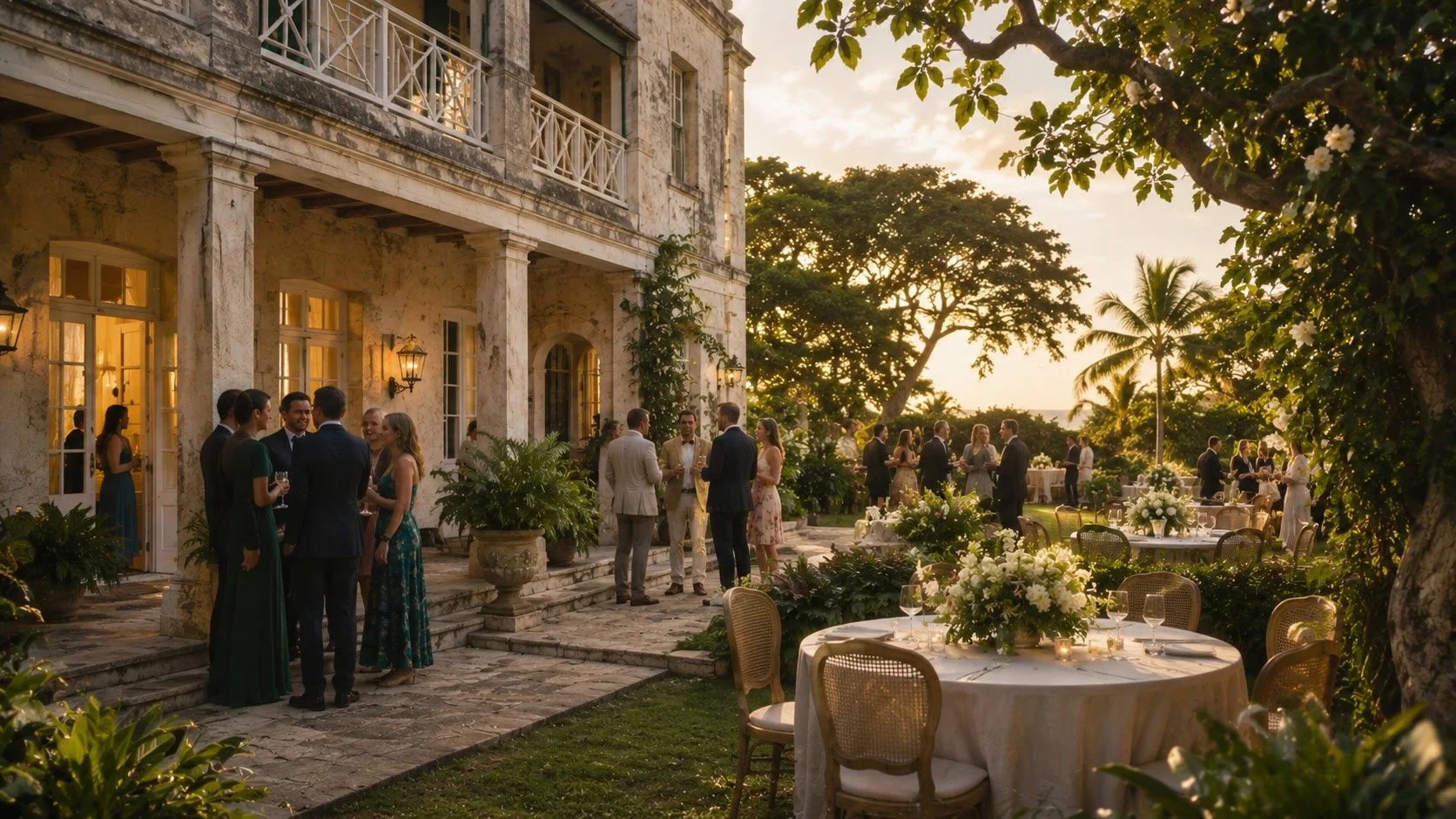
A mature palm did not arrive on a truck that morning. Neither did the canopy of an old tree, a garden wall softened by years of growth or a view shaped by the natural contours of the land.
These things bring depth to a celebration precisely because they were not created for it.
Look at the landscape with the same attention you give the architecture.
Where is the shade? How will the garden look during the season of your wedding? What happens to the light in the late afternoon? Are there areas protected from strong coastal wind? What will guests actually see from their ceremony seats?
And because this is the Caribbean, consider how the property responds when the weather changes.
Covered verandas, mature shade, sheltered courtyards and attractive interior spaces can provide alternatives without disconnecting the celebration from the place you chose.
A good backup plan should not feel like leaving your wedding.
Ideally, it should feel like discovering another part of the property.
Ask What Your Guests Will Remember
Couples naturally evaluate venues through the lens of their own wedding photographs.
But your guests will experience the venue differently.
They will remember approaching it.
They will remember where they stood with a drink after the ceremony.
They may remember the breeze across a veranda, the sound of the sea beyond the garden or walking beneath trees as the light changed.
They will remember how the place felt.
That makes hospitality an important part of evaluating sense of place.
Are there comfortable areas where guests can gather naturally? Is there shade? Are transitions intuitive? Can older guests navigate the property comfortably? Does the venue encourage people to linger rather than continually directing them from one temporary event setup to another?
A compelling venue becomes more so when its identity also supports the experience of being there.
The aim is not merely to give guests somewhere impressive to look at.
It is to give them somewhere memorable to be.
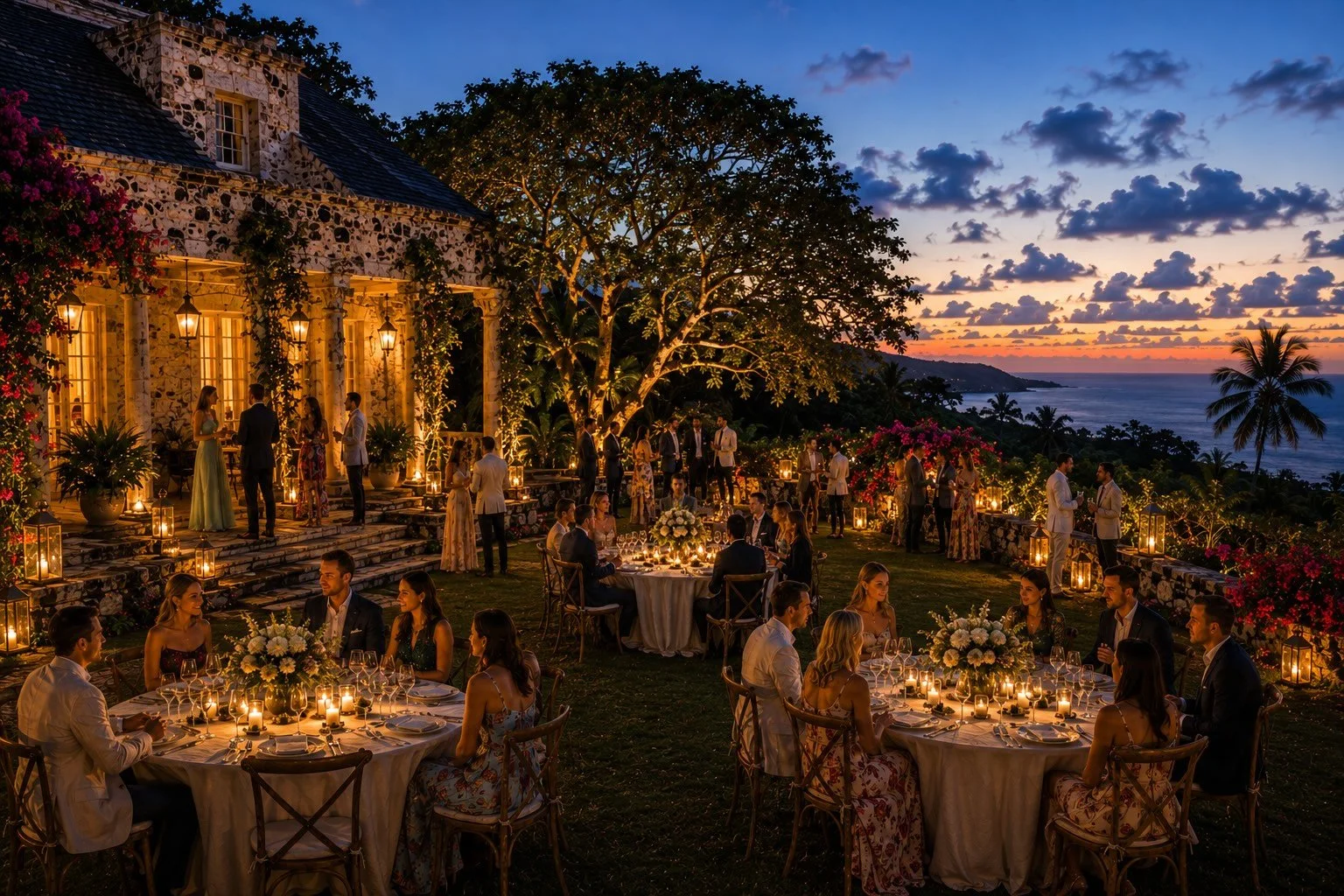
Choose Character Over a Trend
Wedding aesthetics change quickly.
Venues do not.
When the setting brings its own architecture, landscape and identity to a wedding, there is less pressure for decoration to manufacture a world around the prevailing aesthetic of the moment.
That does not mean avoiding trends. A contemporary floral approach, unexpected color palette or current fashion choice can sit beautifully within a place of lasting character.
But when evaluating a venue, ask:
Will this setting still feel compelling when today's wedding aesthetic no longer does?
The details in your photographs will inevitably reveal when the wedding took place. That is part of their charm.
The setting, however, can give those changing personal choices something enduring to sit within.
The Right Venue Gives You Something to Respond To
Choosing a wedding venue is often described as finding a blank canvas.
For a destination wedding, there may be a better ambition.
Find somewhere that is not blank at all.
A place with enough identity that it begins a conversation.
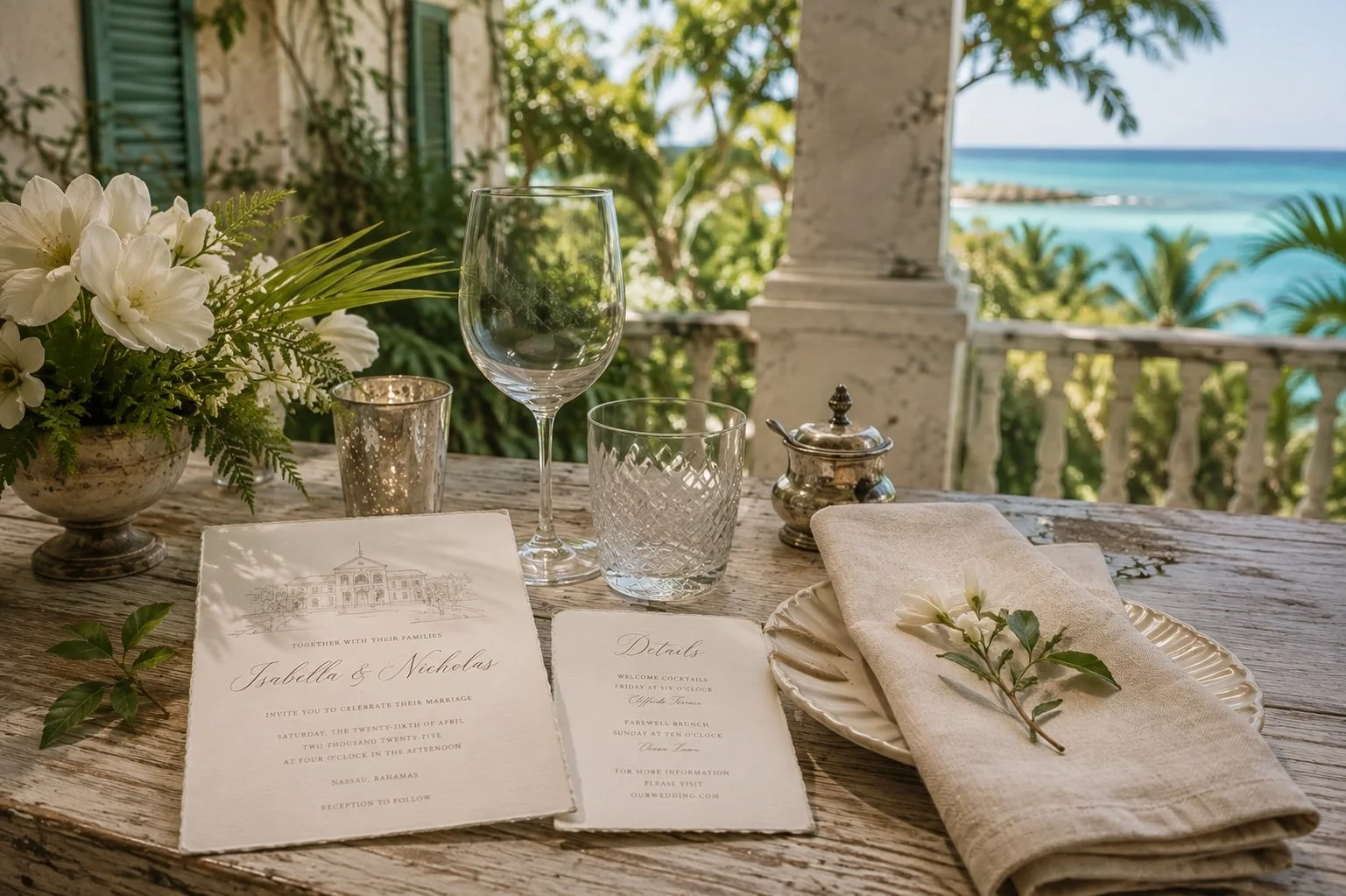
Its architecture may suggest a degree of formality. Its landscape may influence the palette. A garden might inspire the ceremony setting. The quality of the light may affect the time of day you choose to gather. Materials, history and surroundings can quietly inform everything from flowers and furniture to paper and typography.
The aim is not to theme the wedding around the venue.
It is to notice what is already there and respond intelligently.
That is where a celebration begins to feel as though it belongs.
Before You Book, Ask One Final Question
There will always be practical considerations when choosing a Caribbean wedding venue: budget, travel, accommodation, capacity, weather contingencies, vendor access and availability among them.
Those questions deserve careful answers.
But once a venue has satisfied the practical requirements, return to the question beneath all of them:
Could this wedding happen anywhere else and feel essentially the same?
If the answer is yes, keep looking.
If removing that particular architecture, garden, view, history or atmosphere would fundamentally change the celebration, you may have found the right place.
Because the most memorable destination weddings do not simply happen somewhere beautiful.
They belong there.